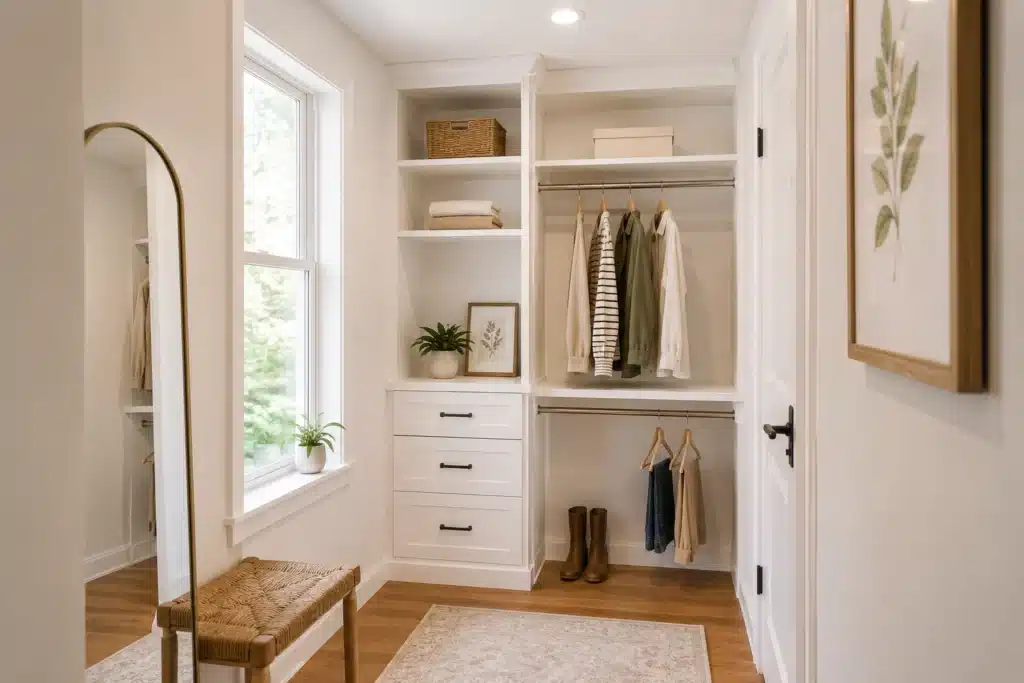
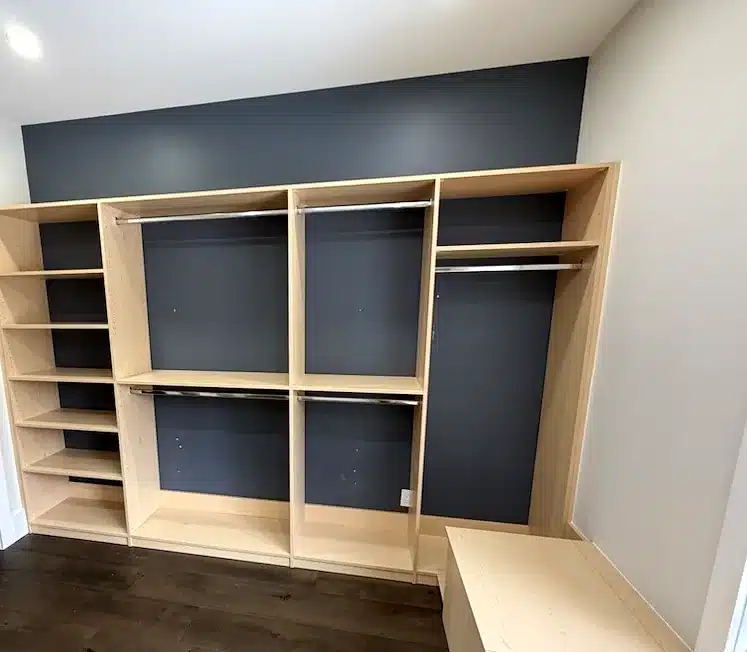
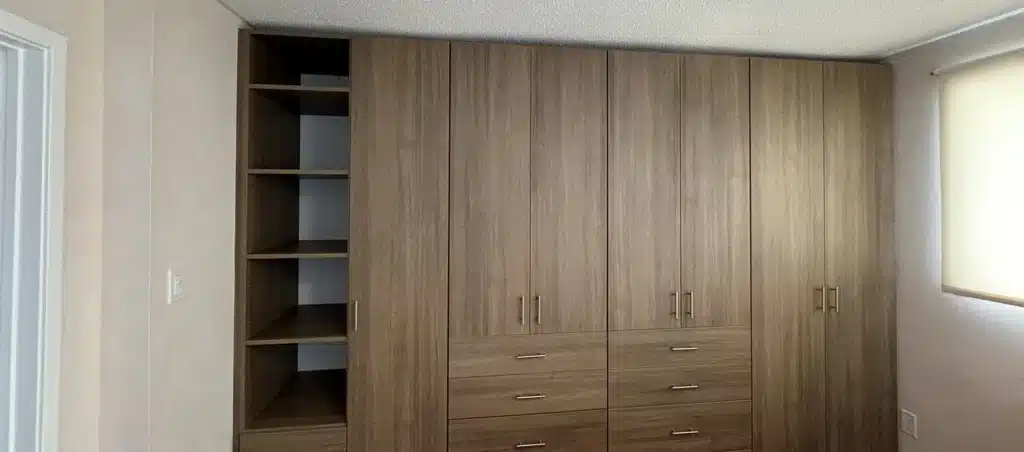
Jump To:
- Why Unpacking After a Move Feels So Overwhelming
- What Should You Unpack First After a Move?
- Step 1: Start With an Essentials Box
- Step 2: Set Up Bedrooms Before Everything Else
- Step 3: Get Bathrooms Functional Fast
- Step 4: Unpack the Kitchen by Routine, Not by Box
- Step 5: Organize Closets Before They Become Catch-All Zones
- Step 6: Set Up Pantry Storage Early
- Step 7: Make the Laundry Room Work From the Start
- Step 8: Do Not Forget the Garage
- What to Donate, Store, or Redesign After a Move
- How Long Should Unpacking After a Move Take?
- Common Unpacking Mistakes to Avoid
- When Custom Storage Helps a New Home Work Better
- The Bottom Line: Unpacking After a Move Is Easier With a Plan
- FAQ: Unpacking After a Move
Moving into a new home is exciting. It is also a fast track to living beside 47 cardboard boxes labelled “misc.”
The good news? Unpacking after a move does not have to turn into weeks of half-open bins, missing scissors, and “where did we put the coffee mugs?” moments. With the right order, a little planning, and a few smart storage decisions, you can settle in faster and make your new home feel functional from the start.
The best way to approach unpacking after a move is to start with essentials, set up high-use rooms first, organize closets and storage zones early, and avoid stuffing things into temporary piles you will have to fix later.
Because let’s be honest. “Temporary” piles have a way of becoming part of the furniture.
At Dream Spaces, we help homeowners create custom closets, pantry storage, garage systems, built-ins, and organization solutions that make everyday life easier. A new home is the perfect time to build better storage habits from day one.
Why Unpacking After a Move Feels So Overwhelming
Unpacking after a move feels chaotic because you are not just putting things away. You are making hundreds of tiny decisions while tired.
Where should the towels go? Which closet gets the extra bedding? Do the kids’ backpacks belong in the mudroom, front closet, or somewhere else entirely? Why are there serving platters in the bedroom box?
A new home also changes how your routines work. The pantry is a different size. The closets are laid out differently. The garage may have more space but less structure. The kitchen cabinets might look beautiful, but that does not mean they actually make sense for how you cook.
That is why the first few weeks matter. The way you unpack often becomes the way you live in the space. If everything gets shoved wherever it fits, clutter builds quickly. If you create logical zones from the beginning, your home starts working better right away.
What Should You Unpack First After a Move?
When you are unpacking after a move, start with the items you need for the first 24 to 72 hours. Then move room by room, beginning with the spaces that affect your daily routine most.
Here is a smart unpacking order:
- Essentials box
- Bedrooms and bedding
- Bathrooms
- Kitchen basics
- Closets and entryway storage
- Pantry and food storage
- Laundry room
- Garage and utility areas
- Décor, seasonal items, and lower-priority boxes
This order helps you get functional before you get decorative. You can hang art later. Finding clean sheets, toothbrushes, school snacks, and work clothes comes first.
Step 1: Start With an Essentials Box
Before you unpack every room, find your essentials box. Ideally, this was packed before the move and kept somewhere easy to access.
Your essentials box should include:
- Toiletries
- Medications
- Phone chargers
- Basic cleaning supplies
- Toilet paper and paper towels
- A few dishes and utensils
- Coffee or tea supplies
- Snacks
- Pet food, if needed
- Pyjamas and a change of clothes
- Important documents
- Scissors or a box cutter
- Garbage bags
This box buys you breathing room. You do not need to unpack the whole kitchen to make coffee. You do not need to open six bathroom boxes to find toothpaste. Small win, big relief.
Step 2: Set Up Bedrooms Before Everything Else
Bedrooms should be one of your first priorities because sleep matters. Especially after moving day.
Start with beds, bedding, pillows, lamps, phone chargers, and basic clothing. You do not need every closet perfectly organized on day one, but you do need a place to sleep and get dressed without digging through bags.
For kids, setting up bedrooms early can also help the new home feel familiar. Even a few favourite books, stuffed animals, or familiar blankets can make a big difference.
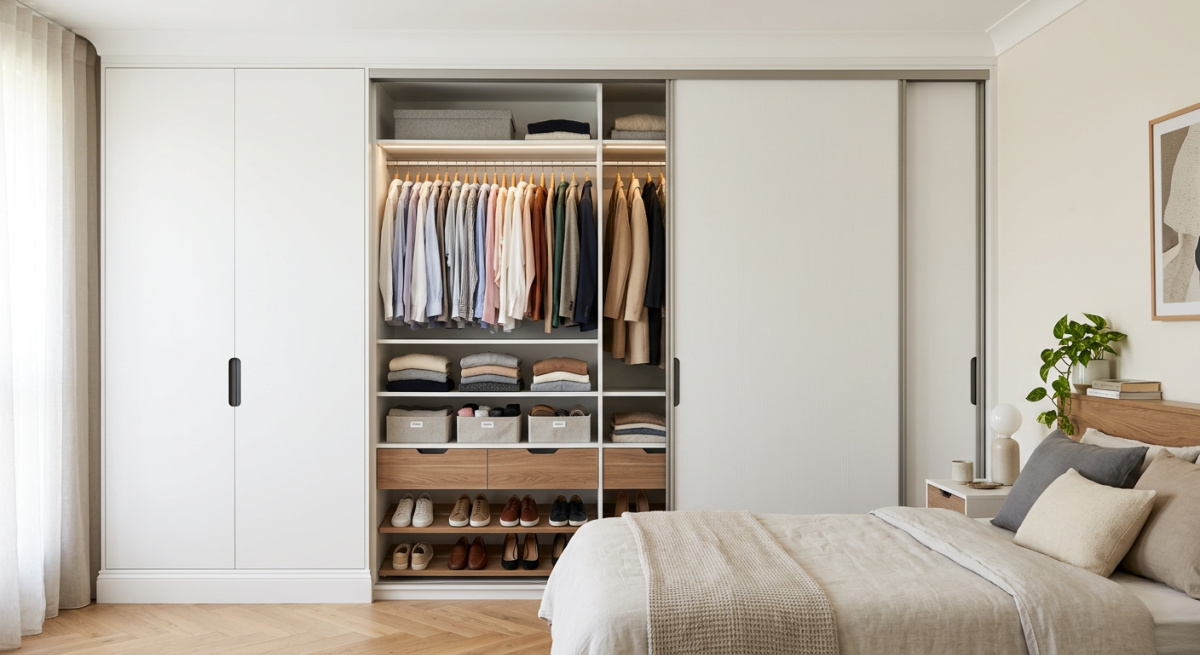
If your closets are empty but not especially functional, resist the urge to fill them too quickly. This is a good moment to look at how the closet should actually work.
Ask yourself:
- Do we need more hanging space or more shelves?
- Are drawers needed inside the closet?
- Where should shoes go?
- Is there enough space for seasonal clothing?
- Can kids reach what they use every day?
- Does this closet support our morning routine?
If the answer is “not really” to the last several questions, it may be worth exploring custom closet systems before everything gets settled in the wrong place.
Step 3: Get Bathrooms Functional Fast
Bathrooms are usually smaller, which makes them easier to unpack quickly. Start with daily-use items first: towels, toiletries, medications, soap, shower products, hair tools, and toilet paper.
Then sort the extras.
This is also a good time to avoid overfilling bathroom cabinets. If you moved old products, expired medications, half-used bottles, or duplicates, do not automatically put them back. Moving is the perfect excuse to edit.
Simple bathroom organization tips:
- Keep daily products within easy reach
- Store backup products together
- Use drawer dividers for small items
- Avoid crowding the counter
- Give each person a dedicated zone if the bathroom is shared
A functional bathroom does not need to be complicated. It just needs to make mornings less annoying.
Step 4: Unpack the Kitchen by Routine, Not by Box
The kitchen is often the most time-consuming room to unpack. It also has the biggest impact on how quickly your home feels livable.
Instead of unpacking kitchen boxes randomly, think in zones.
Create a Cooking Zone
Pots, pans, cooking utensils, oils, spices, oven mitts, and cutting boards should live near the stove or prep area. If you cook often, this zone should be easy to reach and easy to reset.
Create a Prep Zone
Put mixing bowls, knives, cutting boards, measuring cups, and everyday prep tools close to your main counter space.
Create a Coffee or Breakfast Zone
Mugs, coffee, tea, filters, sweeteners, cereal, toaster items, and quick breakfast supplies can live together. This keeps mornings from spreading across the whole kitchen.
Create a Cleanup Zone
Dish soap, dishwasher tabs, garbage bags, recycling, dish towels, and cleaning supplies should be close to the sink or dishwasher.
Create a Kid-Friendly Zone
If children grab their own snacks, lunch containers, or water bottles, give those items a low, easy-to-reach spot.
This approach is especially useful if you are also thinking about kitchen storage improvements. Our blog on kitchen design ideas for a more functional home covers how kitchen zones, drawers, pull-outs, and pantry systems can make the room easier to use every day.
For a new home, that same thinking applies right away. Do not just ask, “Where does this fit?” Ask, “Where will this make the most sense six months from now?”
Step 5: Organize Closets Before They Become Catch-All Zones
Closets are dangerous during a move.
Not dangerous in a dramatic way. Dangerous in a “just put it in there for now” way.
Front closets, linen closets, bedroom closets, mudroom closets, and spare room closets can quickly become holding zones for anything without a home. Once that happens, it is hard to undo.
Before filling each closet, decide its purpose.
Front Closet
This should support daily coming and going. Think coats, shoes, bags, dog leashes, umbrellas, reusable shopping bags, and seasonal accessories.
Linen Closet
Group items by category: towels, sheets, pillowcases, blankets, extra toiletries, and cleaning supplies, if they belong there.
Bedroom Closets
Sort clothing by type and frequency of use. Keep everyday items easiest to reach. Move off-season pieces higher, lower, or into another storage area.
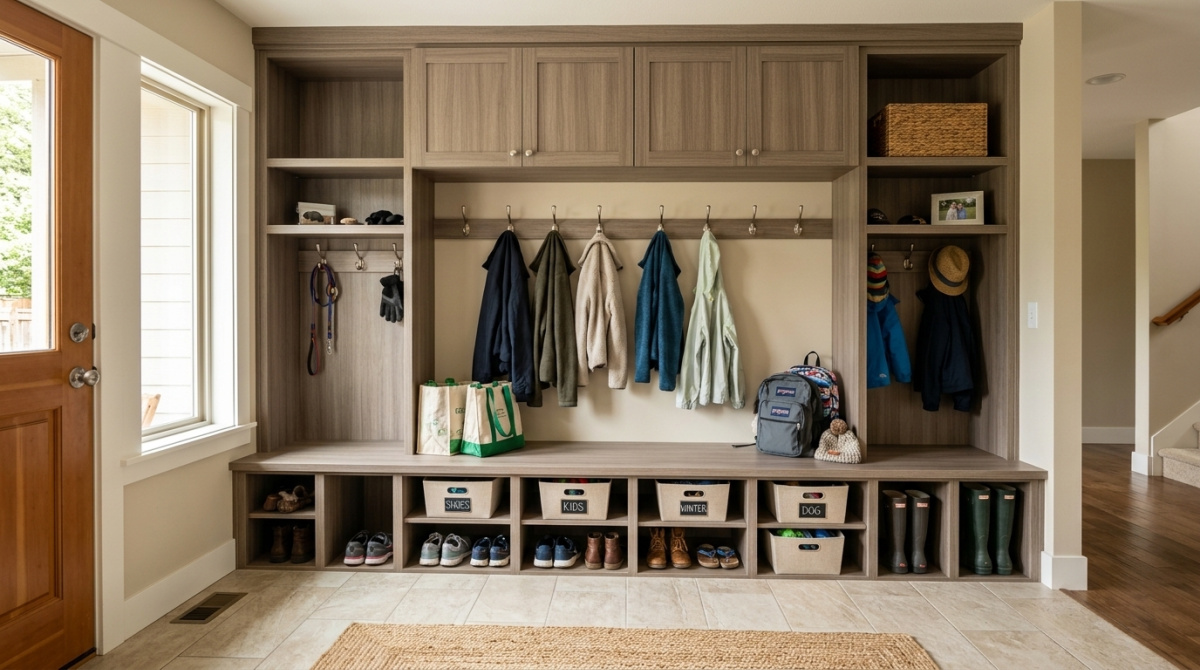
Mudroom or Entry Storage
If your home has a busy entryway, this space needs a plan. Backpacks, sports gear, shoes, jackets, hats, mitts, and bags should all have a clear place to land.
Custom closet design can help turn these spaces into hard-working storage instead of clutter magnets. Dream Spaces designs organization and storage solutions for closets, mudrooms, pantries, laundry rooms, built-ins, and other areas where everyday clutter tends to collect.
Step 6: Set Up Pantry Storage Early
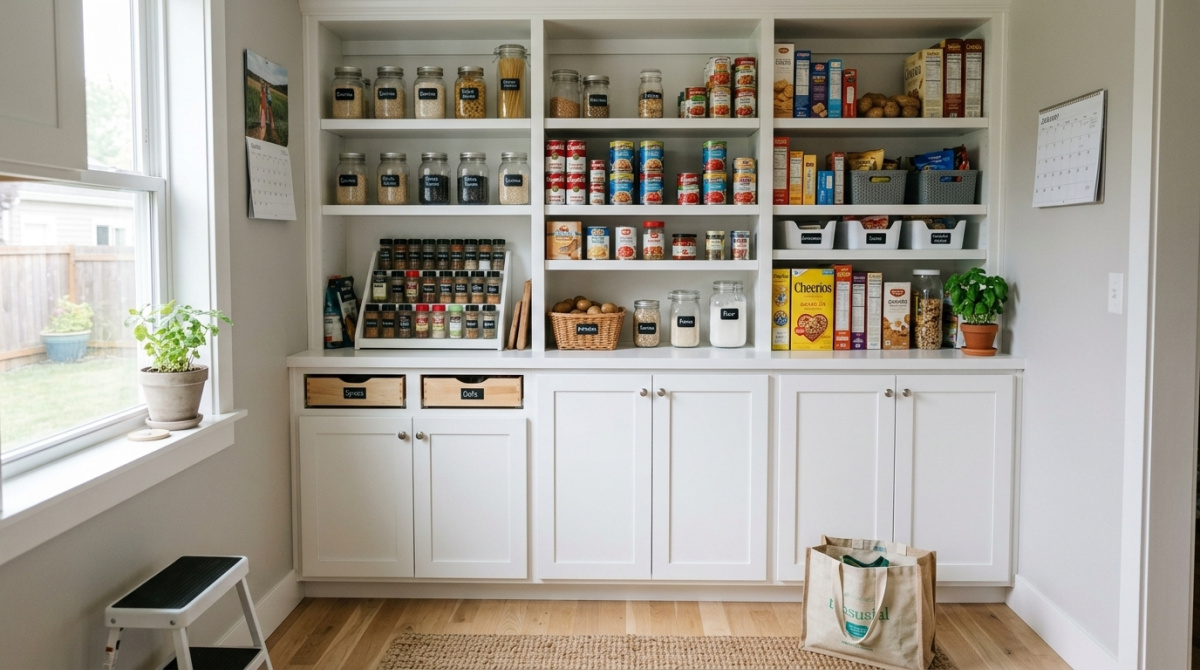
Pantry organization is worth doing early because food clutter builds fast.
Start by checking expiry dates and grouping items into categories:
- Breakfast
- Snacks
- Baking
- Pasta and grains
- Cans and jars
- Oils and sauces
- Spices
- School lunch items
- Backstock
- Bulk items
Then decide where each category should live based on how often you use it. Everyday items should be easy to see and reach. Bulk or backup items can go higher, lower, or in a secondary storage area.
If your pantry is deep, narrow, awkward, or already feeling too full, the issue may not be how much food you own. It may be the storage layout. Pull-out shelves, baskets, adjustable shelving, and custom pantry zones can make a huge difference.
Dream Spaces offers custom pantry storage for homeowners who want a pantry that actually stays organized past the first grocery run.
Step 7: Make the Laundry Room Work From the Start
Laundry rooms often get ignored during unpacking because they are not as exciting as kitchens or closets. Fair.
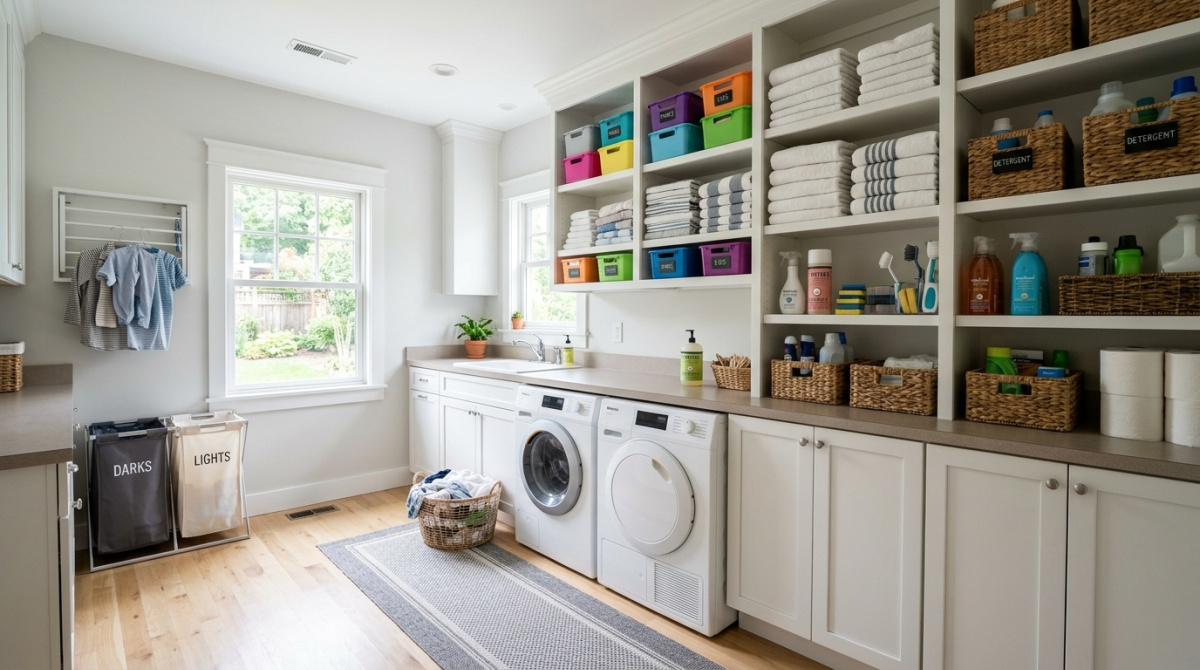
But a functional laundry area can make the rest of the house easier to manage.
Start with the basics:
- Detergent
- Stain remover
- Dryer sheets or wool balls
- Hampers
- Cleaning cloths
- Iron or steamer
- Laundry baskets
- Extra household supplies
Then think about what else the laundry room needs to support. Is it also a cleaning closet? A pet supply area? A mudroom overflow? A place for school gear? A drop zone for sports uniforms?
If the laundry room has cabinets or shelving, avoid filling it with random extras too quickly. Give it a job first.
Step 8: Do Not Forget the Garage
The garage is often the last place people unpack. It is also where clutter can live rent-free for years.
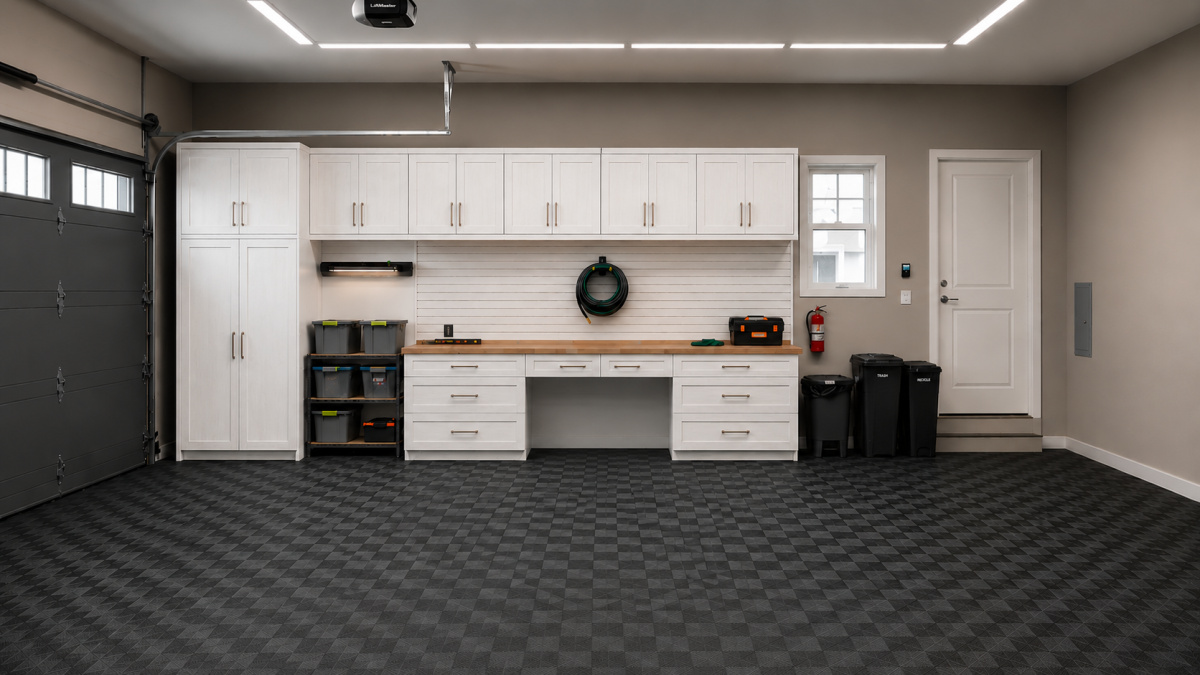
When unpacking after a move, try not to treat the garage as one giant storage locker. Give it zones just like the rest of the house.
Common garage zones include:
- Tools and hardware
- Sports equipment
- Gardening supplies
- Seasonal décor
- Outdoor furniture cushions
- Bikes and helmets
- Car care products
- Camping or cottage gear
- Bulk household storage
Wall storage, cabinets, shelves, and overhead systems can help keep items off the floor and easier to find. If your garage is already becoming the “we’ll deal with it later” room, this is the moment to fix it.
Dream Spaces designs custom garage cabinets and storage systems around how you actually use the space, from tools and hobbies to sports gear and seasonal storage.
What to Donate, Store, or Redesign After a Move
Moving has a funny way of revealing how much stuff we keep “just in case.”
Once you have the essentials unpacked, go through the remaining boxes with three options in mind: donate, store, or redesign.
Donate
Donate items you no longer use, love, need, or have room for. This may include duplicate kitchen tools, old décor, extra linens, clothing that no longer fits your lifestyle, toys, books, and small appliances you forgot you owned.
Store
Some items are worth keeping but do not need prime real estate. Seasonal décor, luggage, keepsakes, winter gear, and occasional-use serving pieces can be stored in less accessible areas.
Redesign
If you keep running into the same issue, such as not enough shoe storage, no place for bags, an overflowing pantry, or a closet that does not match your wardrobe, the problem may be the system.
That is where custom storage can help. Instead of buying another bin, you can build a solution around the way you actually live.
Reach out to the Dream Spaces team and let us design a storage solution that works for your space.
How Long Should Unpacking After a Move Take?
Most people can unpack the essentials within the first few days, but fully unpacking after a move can take several weeks. The timeline depends on the size of the home, how much you moved, how much storage is already in place, and how much organizing or decluttering you do along the way.
A realistic timeline might look like this:
- Day 1 to 2: Essentials, beds, bathrooms, basic kitchen items
- First week: Main clothing, kitchen zones, daily-use closets, pantry basics
- First month: Garage, laundry room, décor, seasonal storage, lower-priority boxes
- After one month: Rework any spaces that still feel frustrating
That last step is important. Once you have lived in the home for a few weeks, you will understand what is working and what is not.
Maybe the entryway needs better shoe storage. Maybe the pantry shelves are too deep. Maybe the primary closet needs more drawers. Maybe the garage needs cabinets before winter hits.
Give yourself permission to adjust. A good home setup is not just unpacked. It is designed to support real life.
Common Unpacking Mistakes to Avoid
Unpacking after a move gets harder when everything becomes urgent at once. Try to avoid these common mistakes.
Unpacking Without a Plan
Opening every box at once creates visual chaos. Work room by room, zone by zone.
Keeping Everything
If you did not use it in your last home, be honest about whether it belongs in this one.
Filling Closets Too Quickly
Closets should be planned, not packed to the brim on autopilot.
Ignoring the Garage
The garage can become the land of forgotten boxes. Give it structure early.
Buying Organizers Too Soon
Bins and baskets help, but only after you know what you need to store. Measure first. Plan second. Buy third.
Forgetting About Daily Routines
Your home should support how you actually live. If backpacks land at the front door every day, create storage there. If coffee is made every morning, build a coffee zone. If laundry piles up outside bedrooms, rethink hamper placement.
When Custom Storage Helps a New Home Work Better
A new home does not always come with storage that fits your life. Builder-grade closets, basic pantry shelves, and empty garage walls may technically provide space, but they do not always provide function.
Custom storage can help when:
- Closets have too much wasted space
- Pantry shelves are hard to access
- The garage has no clear system
- Entryways are cluttered with shoes and bags
- Laundry storage is limited
- Kids’ items need easy-access zones
- You want built-ins that look like part of the home
- Your storage needs changed with the move
Dream Spaces makes the process simple, starting with a free consultation, measurements, and a design based on your space, style, budget, and routine. Learn more about how we work with you.
The Bottom Line: Unpacking After a Move Is Easier With a Plan
Unpacking after a move is not just about emptying boxes. It is about setting up your home in a way that makes everyday life feel easier.
Start with essentials. Prioritize the rooms you use most. Create zones. Be honest about what you need to keep. Do not let closets, pantries, and garages become dumping grounds. And when a space is not working, treat it as a design problem, not a personal failure.
Your new home should feel like it fits you.
Ready to get your home set up properly from the start? Book a free consultation with Dream Spaces and build storage that works around your real life.
FAQ: Unpacking After a Move
What is the best way to start unpacking after a move?
The best way to start unpacking after a move is to unpack your essentials first, then focus on bedrooms, bathrooms, and basic kitchen items. Once daily routines are covered, move on to closets, pantry storage, laundry, garage organization, décor, and seasonal items.
How long should unpacking after a move take?
Unpacking after a move can take anywhere from a few days to several weeks. Most essentials can be unpacked in the first 24 to 72 hours, while closets, garages, storage rooms, décor, and lower-priority boxes may take a few weeks to fully organize.
Should you organize closets before unpacking clothes?
Yes, it helps to plan closets before unpacking every box of clothing. Decide where hanging items, folded pieces, shoes, accessories, seasonal clothing, and daily-use items should go. This helps prevent closets from becoming overcrowded or disorganized right away.
How do you avoid clutter after moving?
To avoid clutter after moving, unpack by room, create clear storage zones, donate items you no longer need, avoid temporary piles, and give everyday items a specific home. Custom storage can also help if your closets, pantry, garage, or entryway do not support your routine.
What should I donate after a move?
After a move, consider donating duplicate kitchen tools, clothing you no longer wear, extra linens, unused décor, old toys, books, small appliances, and anything that no longer fits your home or lifestyle. If you do not use it, need it, or have a proper place for it, it may be time to let it go.